Showing posts with label wolves. Show all posts

Thursday, November 11, 2010

S'darn cute!

I just stumbled upon this blog from a friend on Facebook:
This Animal Is Awesome

(Warning: For some reason, page 1 of the blog has nudity. So the link goes to page 2. Now you're just curious, I know. I just didn't want to be inappropriate.)

Here are some highlights for your viewing pleasure:


P.S. Check out their ARCHIVE!

Wednesday, September 29, 2010

Wolves, Part III


The title of this post should actually be "Nature Knows Better." And because of people that disagree, wolves are being endangered, but only here in the West. This articled entitled "The Big Bad Wolf Makes Good: The Yellowstone Success Story and Those Who Want to Kill It" by Chip Ward details it eloquently.

Read the article, but this gist is this. Wolves are, in fact, a key part of the ecosystem in Yellowstone and the surrounding areas. (Imagine that!) Without them, there is literally less water. Fewer wolves mean more elk. More elk mean over-grazed willows. Fewer willows mean fewer beavers. Fewer beavers mean fewer dams, fewer dams mean fewer wetlands, fewer wetlands mean fewer fish, birds, bugs, and amphibians, as well as less water distribution. You push that first domino, and the whole bunch topples.

Wolf reintroduction wasn’t a scheme designed to undermine vacationing elk hunters or harass ranchers who graze their cattle on public lands. It wasn’t done to please some cabal of elitist, urban environmentalists eager to show rural rednecks who’s the boss, though out here in the West that interpretation’s held sway at many public meetings called to discuss wolf reintroduction.

Let’s be clear then: the decision to put wolves back in Yellowstone was a bold experiment backed by the best conservation science available to restore a cherished American ecosystem that was coming apart at the seams.


When wolves were reintroduced into Yellowstone in the mid-nineties, the ecosystem bounced back. They were taken off the endangered species list, and hunters were free to shoot to kill. In August of this year, they were put back on the endangered species list by the federal government. There are, of course, objections from local farmers and hunters, and the article addresses them well. But ultimately, nature knows better:
Think of wolf reintroduction, then, as a kind of hinge-point between the two paradigms. After centuries of not leaving the natural world’s order to chance, micro-managing wherever we could, we are now encouraged to take a chance on Nature, to trust the self-organizing powers of life to heal ecosystems we have wounded....We now understand far better the many ways in which nature’s living communities are astonishingly connected and reciprocal. If we could only find the courage to trust their self-organizing powers to heal the wounds we have inflicted, we might become as resilient as those Yellowstone wolves.

I just searched google images for "wolf hunting." Don't worry, I covered my eyes before any actual tears fell, but needless to say, I'll never do that again. I did find this gem, though:
Oh, buddies.
Sunday, May 2, 2010

Monday, April 5, 2010

Wolves: Part 2, by Julia

Today I have not one, not two, but THREE fun facts about wolves. I hope you are learning to love them as I do.


Fact 1:
The gray wolf is the largest member of the canine family. The male's average weight is 100 pounds and his length varies from 5 to 6.5 feet; the female averages 80 to 85 pounds and is 4.5 to 6 feet in length.
- Art Wolfe, www.artwolfe.com


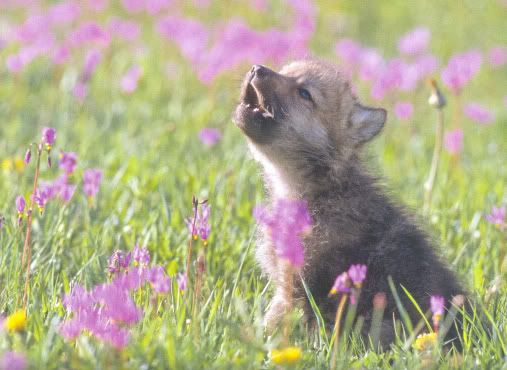
(Um, seriously. If your heart didn't just melt, you might not have one.)

Fact 2:
Newborn gray wolf pups will remain in their protected den for the first two months, after which they are moved to a rendezvous site, where, under the watchful eye of adults assigned to their care, the youngsters have more freedom to explore their surroundings.
-Tim Fitzharris


Fact 3:
Wolves are highly social animals and rarely engage in any activity alone. The pack migrates and hunts together, each member keenly aware of its status within the group. Packs are usually made up of between 7 and 15 individuals, the numbers depending on variable such as available food and the general wolf population within a region.
-Dieter Holl, F1 ONLINE


BONUS!
Were you wondering what the best song about turning into a wolf is? Well do I have a video for you!

(Blitzen Trapper, Furr)

Monday, March 8, 2010

Wolves: Part One, by Julia

Perhaps the first post on this blog should explain why it's not a lie that sharks fall asleep (sort of) when they are flipped upside-down. But that is Meghan's responsibility. So I am hereby christening this blog with the first of a series: Lies About Wolves.

Fact #1:
Gray wolves are built to travel and to hunt. A perfect combination of physical attributes--long legs that result in a powerful stride, big feet that ensure traction over difficult terrain, and strong musculature--allows these sturdy animals to reach sprinting speeds of up to 45 miles per hour.

-Daniel J. Coxl, NaturalExposures.com


Crazy, right?! If this simple fact does not impress, surprise, or intrigue you, just don't read this blog. If, however, it just blew your mind.... well, welcome to the pack. (Fact: nerds cannot resist a good pun. Or a bad pun.)

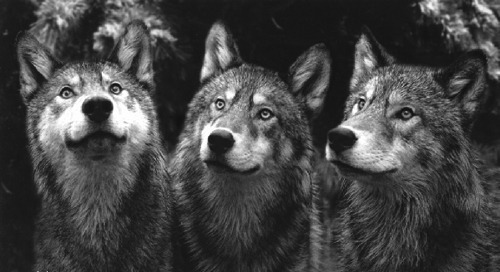
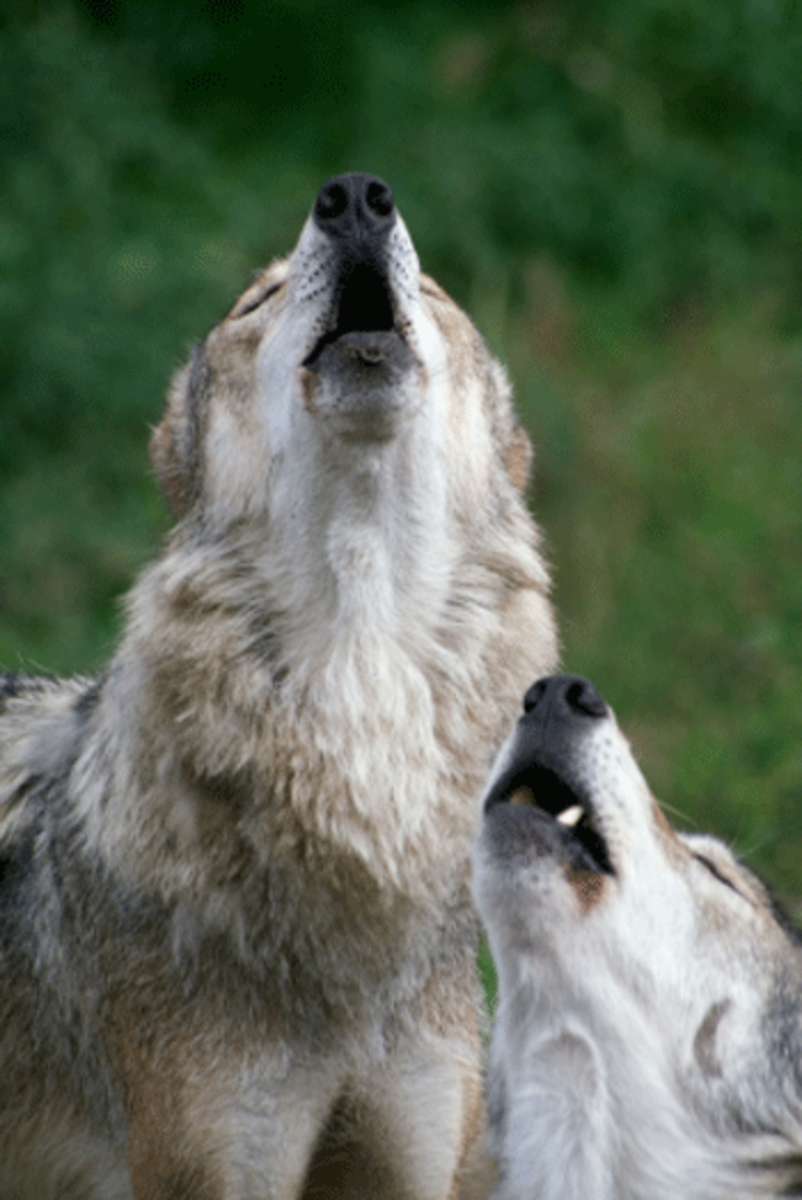
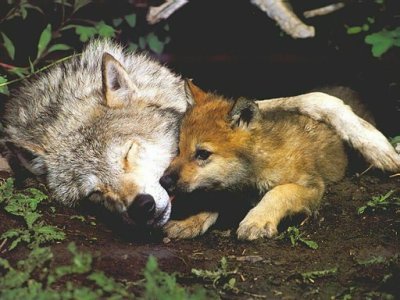
And now, here are some totally sweet wolf pictures I found on Flickr:
1, 2, 3.